.webp) zamph5.com
zamph5.comMastering the SCHEDULE! Game: The Ultimate How-To Guide to Conquer Every Day
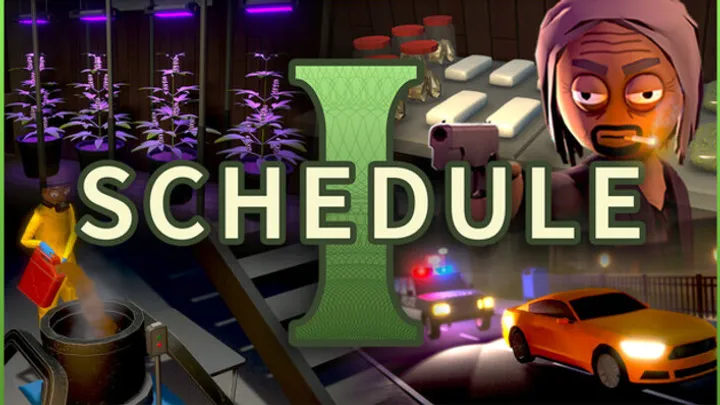
Introduction
The SCHEDULE! game is not just about filling blocks of time — it’s a deep simulation of balance, decision-making, and self-mastery. It challenges players to manage their in-game days while maintaining Energy, Focus, and Mood levels. Every action influences the next, and every hour matters.
This guide focuses on one specific aspect — how to structure and optimize your in-game daily schedule for maximum efficiency and growth. We’ll explore methods to handle time pressure, avoid burnout, and unlock advanced mechanics that make you unstoppable.
Whether you’re a new player or a returning veteran, this how-to manual walks you through each stage of the day — morning, noon, afternoon, evening — with detailed strategies. You’ll learn how to design your schedule, manage energy cycles, and use momentum to climb the leaderboard and hit your “Perfect Day” streaks.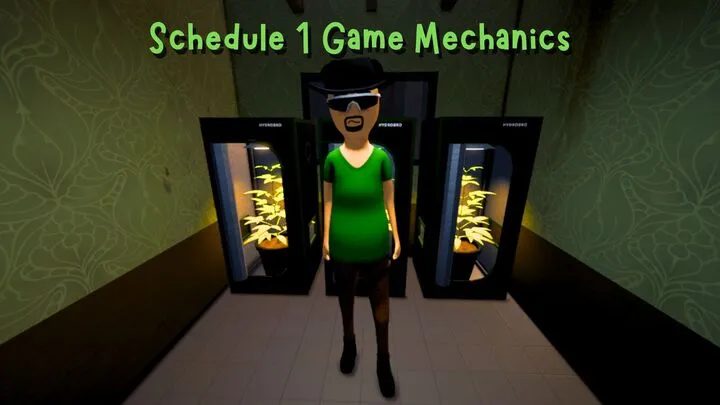
1. Getting Started: Building the Foundation of a Productive Day
Before doing anything fancy, you need to understand how SCHEDULE! measures time and success.
Understanding the Core Stats
There are three main bars at the top of your screen:
- Energy – how much physical stamina you have to perform tasks.
- Focus – how effectively you can complete mental or creative work.
- Mood – affects how long you can stay productive before stress penalties appear.
If any of these drop to zero, you’ll trigger a “Burnout Alert,” forcing your character into mandatory rest.
Setting Up Your First Schedule
When you start, avoid filling every slot of the planner. Leave 1–2 free blocks for emergencies.
Try this pattern:
- 7:00–8:00: Planning
- 8:00–10:00: Primary task
- 10:00–10:15: Break
- 10:15–12:00: Secondary task
- 12:00–13:00: Meal & Rest
This template helps you learn pacing without overloading Energy.
Quick Starter Tip
Start your day with a planning session. Doing this grants a “Strategic Start” bonus, increasing Focus by 5% for the next 6 hours.
2. Understanding the Game Mechanics
Every action in SCHEDULE! consumes or restores resources. To master it, you must know the system beneath the surface.
Energy–Focus Relationship
High Focus increases task output efficiency, but it also consumes Energy faster. Balancing these two stats is key.
Low Focus? Tasks take longer and produce fewer rewards.
Low Energy? Tasks fail or give penalties.
Task Difficulty and XP
Each activity has a difficulty rating (1–5 stars). Beginners should avoid stacking two 5-star tasks back-to-back. The game rewards pacing more than intensity.
Combo Efficiency
The “Consistency Multiplier” grows every time you finish three planned tasks consecutively without skipping or rescheduling. Use this mechanic to push long-term XP growth.
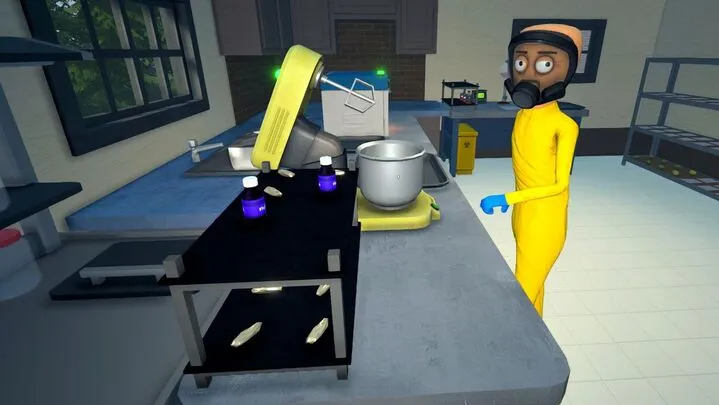
3. Morning Routine: Building Momentum Early
Mornings are the foundation of your in-game success. The first few hours decide how much XP and Focus you’ll carry through the day.
Why Morning Setup Matters
In SCHEDULE!, the Focus Regeneration Rate is 1.2x faster between 6:00 and 10:00 a.m. Starting early lets you accumulate bonus Focus before your first Energy dip.
Ideal Morning Structure
Try the “Momentum Stack” formula:
- 6:30 – Wake and stretch (Energy +10%)
- 7:00 – Light planning (Focus +5%)
- 8:00 – First main task (XP reward ×1.2)
- 10:00 – Break (Energy recover +8%)
This pattern helps you enter a flow state, where the game rewards smooth transitions and low idle time.
Bonus Tip
Avoid entertainment tasks before noon — they give temporary Mood boosts but reduce long-term productivity bonuses.
4. Midday Challenges: Balancing Energy and Focus
By noon, most players hit their first wall — fatigue and distraction.
The Lunch Break Mechanic
Skipping lunch reduces both Energy and Focus regeneration for the next four hours. The optimal time to eat is between 11:30–12:30. Choosing “Healthy Meal” over “Fast Snack” adds a bonus to long-term stamina for the rest of the week.
How to Avoid the Midday Slump
- Use “Short Walk” or “Mini Stretch” to regain Energy.
- Avoid multitasking; multitasking divides Focus and increases completion time.
- After a meal, use a low-difficulty task to regain rhythm.
Midday Strategy
Switch to “Maintenance Tasks” after lunch — simple, repeatable tasks that sustain progress without heavy drain.
5. Afternoon Optimization: The Power Hours
The afternoon is your prime opportunity for high-efficiency work if you plan properly.
Understanding the Focus Window
Focus naturally peaks again between 13:30 and 16:00. Stack your hardest tasks during this window.
The Flow Momentum Technique
Structure your tasks from easy to hard:
- Warm-up task (10 min)
- Moderate task (45 min)
- Major project (2 hr)
Each completed task adds a Focus chain bonus, increasing speed and XP gain.
Micro-Rest Strategy
Take short 5–10 minute breaks every 90 minutes. Avoid long idle breaks, which reset your Focus Chain bonus.
6. Evening Reflection: Reset and Recover
Evenings are where champions separate themselves from casual players. Reflection builds the consistency that drives long-term success.
The Daily Review
The in-game journal shows all completed and missed tasks. Review it every night to identify patterns of wasted time.
Checklist:
- Did I finish over 80% of planned tasks?
- Was my Energy above 30% before bed?
- Did my Mood stay stable all day?
Planning for Tomorrow
Before ending the day, assign tasks for the next morning. Doing so grants the “Prepared Mind” buff, boosting Focus by 8% at the next sunrise.
Mood Recovery
Add “Relaxation” or “Social Call” activities before sleep. If you end your day with a full Mood bar, you’ll gain the “Well-Rested” bonus overnight.

7. Advanced Scheduling Techniques
Now that you understand the basics, let’s optimize your long-term play.
The Three-Block Formula
Divide the day into three main blocks:
- Creation Block (Morning) – creative work or study.
- Execution Block (Afternoon) – implementation, problem-solving.
- Recovery Block (Evening) – rest, reflection, planning.
Switching block types mid-cycle reduces your Focus chain bonus, so keep them consistent.
Building Habit Chains
Connect related tasks into Habit Chains — e.g., Wake → Plan → Study → Review. Completing all in one sequence triggers the “Momentum Combo” buff.
Pro tip: Keep chains under four tasks. Longer ones risk failure penalties if you break mid-sequence.
8. Handling Random Events
Even the best schedule can be disrupted by unexpected in-game events — emails, visitors, or surprise missions.
Types of Random Events
- Positive Events – surprise rewards or bonus XP.
- Neutral Events – delays without major impact.
- Negative Events – sudden drops in Mood or Energy.
How to Prepare
- Always leave 10–15% of your schedule open as a “flex buffer.”
- Unlock the “Auto-Reschedule” ability at Level 10 to auto-adjust delayed tasks.
- Keep Focus Tokens (purchased in the in-game shop) to skip distractions.
Smart Defense Strategy
Disable notifications during creative hours. This cuts random distraction events by 40%, allowing you to maintain chain bonuses longer.
9. Weekly and Monthly Cycles
True mastery of SCHEDULE! comes from long-term consistency, not one perfect day.
Weekly Strategy
Every 7 in-game days, you receive a Progress Report showing XP distribution and burnout risk. Adjust your plan based on that:
- If Energy drops too low midweek, add an extra rest day.
- If Focus is high but Mood is falling, mix in social tasks.
Monthly Planning
At the end of every 30-day cycle, review patterns in the Performance Graph. The game rewards players who maintain a 70%+ task completion average across the month with permanent buffs to Focus recovery.
Challenge Events
Special weekend challenges appear randomly — “Study Sprint,” “Fitness Marathon,” etc. Participate strategically, but don’t sacrifice long-term stability for one-time XP bursts.

10. Late-Game Mastery and Expert Tips
Once you’ve unlocked most features, the game shifts toward maintaining rhythm and automation.
Automation Skills
At Level 20, you gain access to Automation Tools that allow recurring tasks to repeat automatically. This saves Energy and lets you focus on higher-value missions.
The 80/20 Rule
Prioritize 20% of tasks that give 80% of rewards. Delete or postpone low-impact activities that clutter your planner.
Social Balance
Don’t ignore Mood-based social interactions. The “Team Collaboration” quests grant rare items that improve your daily Focus limit.
Expert Strategy
- Keep a 3-day rolling preview of tasks.
- Use the “Energy Stack” method — alternating high and low output days.
- Aim for 100% consistency streaks for 10 consecutive days to unlock the “Time Architect” title.
Conclusion
The SCHEDULE! game mirrors real-world discipline — the more intentionally you plan, the more freedom you create. By mastering time blocks, balancing Energy and Focus, and embracing flexibility, you’ll not only dominate the game’s mechanics but also develop real-life skills in productivity and emotional regulation.
Remember, the secret isn’t perfection. It’s rhythm — the steady flow of deliberate choices that build unstoppable momentum. Treat every day like a new level, and soon, you’ll find that both in-game and in life, you’ve become the master of your own schedule.