.webp) zamph5.com
zamph5.comThe Hytale Engine Pivot and Acquisition Fallout: Inside Hypixel Studios’ Re-Engineering Saga, Delay Controversies, and Community Revival
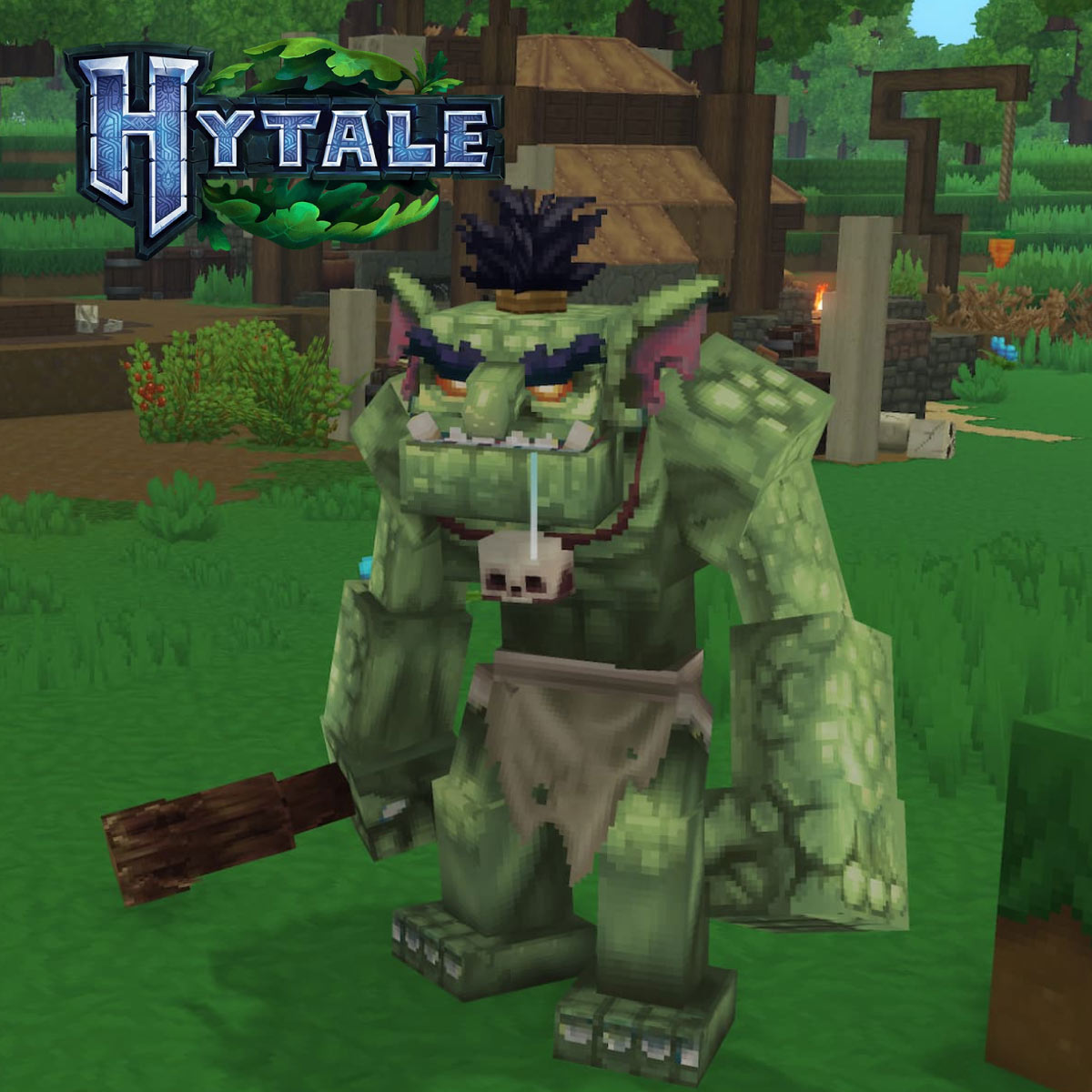
1. The 2018 Trailer Explosion: How a Fan-Built Vision Triggered Industry Shockwaves
In late 2018, the gaming world witnessed an unprecedented phenomenon when Hypixel Studios published the official announcement trailer for Hytale. Within weeks, the video racked up tens of millions of views, surprising both industry analysts and the developers themselves. The project, born out of the world’s largest Minecraft server network, promised to address long-standing technical limitations of voxel sandboxes by delivering built-in modding software, custom scripting, robust anti-cheat, and a deep narrative-driven RPG campaign set in the world of Orbis.
The viral explosion altered the project's scope overnight. What was originally envisioned as a nimble indie title targeting a modest community transformed into a global flagship project expected to compete with established industry giants. This sudden shift created an immediate internal dilemma: whether to release a limited game using legacy technology or pause to re-architect the entire platform to meet massive global expectations.
2. The Riot Games Acquisition: Corporate Backing, Structural Shifts, and Financial Stability
In April 2020, Riot Games officially acquired Hypixel Studios, marking a monumental shift in the game's production history. The acquisition provided the studio with immense financial resources, access to enterprise infrastructure, and executive guidance from one of the most successful developers in live-service gaming. For the development team, this meant financial security and the ability to expand their staff across international offices in Derry, Northern Ireland, and remote hubs worldwide.
However, corporate integration brought new operational requirements and strategic realignments. The transition from an agile indie studio to a subsidiary of a global gaming powerhouse required restructuring team hierarchies, establishing formal production milestones, and aligning the game's long-term vision with Riot’s operational standards. While the acquisition eliminated financial risk, it fundamentally altered the production timeline and internal decision-making processes.
3. The Great Engine Pivot: Scrapping Legacy C# Java Systems for C++ Cross-Platform Ambitions
The defining technical turning point in Hytale’s development occurred when leadership announced a complete rewrite of the game’s core engine. The original codebase relied on a hybrid architecture, using C# for the client and Java for the server—a setup well-suited for PC desktop play and community modding, but incapable of supporting performance-heavy cross-platform play across consoles, mobile devices, and PC simultaneously.
Legacy Architecture (Pre-Pivot):
  [C# PC Client] <---> [Java Server Engine] ──> Limited to Desktop

New Unified Architecture (Post-Pivot):
  [C++ Engine Core] <---> [Custom Scripting Layer] ──> PC, Console, Mobile
In mid-2021, Hypixel Studios took the high-risk gamble to discard years of legacy engine code in favor of building a brand-new, unified C++ engine from scratch. This decision meant rewriting physics solvers, rendering pipelines, world generation algorithms, and networking protocols. While necessary for long-term viability and performance parity across all platforms, it effectively reset core gameplay development and pushed the projected release window back significantly.
4. The Delays and Communication Droughts: Navigating Player Backlash and Transparency Shifts
The announcement of the engine rewrite triggered a period of severe delays and quiet development phases, straining the studio's relationship with its community. The release window slipped from 2021 to 2023, and eventually into a broader "when it's ready" stance. The frequent, detailed technical blog posts that once kept fans engaged were replaced by infrequent biannual development updates, leading to widespread speculation and frustration across gaming forums.
Navigating this communication drought proved challenging for the studio's community management team. Hypixel Studios leadership defended the quieter cadence, arguing that sharing speculative features built on an evolving engine created false expectations. Nonetheless, the prolonged silence created an information vacuum, giving rise to rumors of development hell, internal creative friction, and project cancellation—claims the studio repeatedly had to refute in official statements.
5. Modding Paradigms Redefined: Re-Engineering Creator Tools for the C++ Era
One of Hytale’s core selling points has always been its suite of creator tools, including Hytale Model Maker (HMM), live world-editing tools, and custom scripting interfaces. The decision to switch to a unified C++ engine introduced complex technical challenges for these modding systems. The legacy Java/C# setup allowed modders to inspect and alter game logic easily, but native C++ code requires carefully isolated scripting environments to prevent security vulnerabilities and crashes.
Modern Modding Infrastructure Adaptations
- Isolated Scripting Sandboxes: The team developed high-level scripting layers (utilizing WebAssembly and custom language bindings) to allow modders to write server logic without compiling raw native code.
- Asset Standardization: Hytale Model Maker was overhauled to output standardized data structures compatible with the new rendering pipeline, ensuring custom models render identically on low-end mobile devices and high-end PCs.
- Server-Driven Asset Streaming: The engine was re-designed to automatically push custom assets, animations, and sound files to connecting players without requiring manual client installs or external mod managers.
This technical re-architecture ensured that community creators retained deep customization capabilities while maintaining system security, performance integrity, and cross-platform compatibility.
6. The Cross-Platform Conundrum: Balancing PC Precision with Mobile and Console Performance
Designing a deep sandbox RPG that runs seamlessly on a high-end gaming PC as well as a mobile phone presents immense design and technical hurdles. The C++ engine rewrite was driven by the goal of achieving feature parity across all devices, ensuring players on different platforms could share the same persistent worlds without gameplay compromises.
Platform Parity Technical Challenges
- Input and UI Abstraction: Creating an interface that adapts dynamically between mouse-and-keyboard setups, gamepads, and touchscreens without giving touch users a disadvantage or cluttering PC screens.
- Memory and Asset Streaming: Optimizing the procedural terrain generation system to stream high-density voxel blocks dynamically within the strict RAM limitations of mobile hardware.
- Complex Physics Calculations: Downscaling server-side physics and hitboxes so large-scale multiplayer battles remain smooth on constrained mobile processors without desynching PC players.
Balancing these competing hardware requirements demanded significant engineering resources, further extending the development timeline but laying the groundwork for a unified global player base.
7. Studio Expansion and Culture Shifts: Building an Enterprise-Grade Development Pipeline
As production expanded, Hypixel Studios grew from a distributed group of modders into an international game studio with hundreds of employees. This rapid scaling required a total redesign of the studio's internal culture, production pipelines, and quality assurance frameworks.
Organizational Evolution Metrics
- Workforce Expansion: Growth from a small core team to an enterprise workforce distributed across multiple countries and physical headquarters in Derry, Northern Ireland.
- Development Methodology: Transitioning from informal feature iteration to structured production sprints, automated testing pipelines, and dedicated technical sub-teams.
- Toolchain Modernization: Implementing enterprise-level continuous integration systems to automatically test world-generation builds across thousands of simulated hardware profiles.
This organizational maturity was necessary to manage a project of Hytale’s scale under Riot Games, transforming an informal modding team into a structured AAA-tier production studio.
8. Community Speculation vs. Developer Reality: Managing the "Minecraft Killer" Narrative
Throughout its public development history, Hytale has been saddled with the "Minecraft Killer" label by gaming media and content creators. This framing created a double-edged sword for the development team: while it generated massive interest, it set an impossibly high standard that threatened to overshadow the studio's unique artistic and technical goals.
Hypixel Studios leadership actively pushed back against this narrative in technical updates, emphasizing that Hytale was designed not to replace existing sandboxes, but to offer a distinct RPG-focused experience with built-in creator platforms. Managing these fan expectations became a core priority, forcing the studio to clarify their scope repeatedly to prevent disappointment upon eventual launch.
9. Re-Emergence and Transparency: The Shift Toward Technical Playtests and Milestone Updates
In recent development phases, Hypixel Studios began shifting its communication strategy back toward technical transparency and structured milestone reporting. Recognizing that vague development roadmaps fueled community anxiety, leadership began detailing specific engineering accomplishments within the new C++ engine, including internal playtest milestones and server architecture tests.
These updates provided tangible proof of progress, demonstrating operational UI systems, updated combat physics, and advanced procedural terrain generation running inside the new engine architecture. By sharing concrete engineering victories rather than marketing promises, the studio began rebuilding trust with its dedicated community and setting realistic expectations for upcoming public testing phases.
10. The Long-Term Vision: Positioned for the Next Decade of Sandbox Gaming
As Hytale approaches its future public testing phases, the strategic wisdom of its long engine rewrite and development delays faces its ultimate test. By refusing to rush an unfinished product built on legacy code, Hypixel Studios and Riot Games have positioned Hytale as a next-generation sandbox platform designed to last for decades.
The technical foundation built during this quiet development period—featuring a unified cross-platform C++ core, secure sandboxed modding, enterprise anti-cheat, and robust server streaming—provides an infrastructure that few indie titles could ever achieve. The saga of Hytale’s development stands as a testament to the realities of modern game engineering, illustrating the immense costs, risks, and structural transformations required to build a true AAA platform from the ground up.